Preparing for Late Season Waterfowl Hunting: A Comprehensive Guide
As the late season waterfowl hunting comes closer the area changes, showing a mix of ice, slush and open water. Moving through these conditions needs thinking and planning. Before you start it is important to decide your path. If you see ice think about safety first and choose a longer way along the edge or maybe wait until another time. A good plan helps you stay safe and also makes sure you leave the area as it was.
Understanding the Ice: Safety First
Always be careful when you go near water; what looks safe might not be. Things like wind moving water and temperature changes can make the ice weak under snow or a solid layer. Just because a path was safe before doesn't mean it is now.
Before you go look at a map of the place. Find the ground, open water areas and possible ways to get out. When you arrive,. Check the conditions instead of just following someone else. If you need to cross to get to your hunting spot be ready to change your plan.
Tell someone where you are going when you expect to be where your car is. Keep your phone safe from wet and cold. Bring something to call for help if needed. A floatation device could help near water but it won't keep you safe on thin ice. Always think about turning if the conditions are not good.
Check Local Rules Before You Go
Hunting rules can change from season to season or even in the middle of a season. You need to check for late season dates limits on species when you can shoot and any methods that are allowed. A place you know well might have protected areas or closings covered by snow so checking is important.
Look at the official rules for your area and ask the landowner or the person in charge if you need more details. Pay attention to what you need to know about the birds and how to get them when hunting on frozen water. Bring updated papers with you. Don't use information or saved web pages because changes can happen quickly. If a rule is not clear taking time to check is better than getting in trouble or missing a chance to get a bird properly.
Dressing for Comfort in the Cold
When you get ready for season hunts think about more than just the cold. Wet places like bushes and slush can make you uncomfortable fast taking away warmth and focus.
Your clothes should have a layer that takes away moisture a layer that keeps you warm and can be taken off along the way and an outer layer that blocks the wind. If you are going through ground it might be better to carry some warm clothes instead of wearing them all at once. When you are set add warmth before your hands and feet get cold.
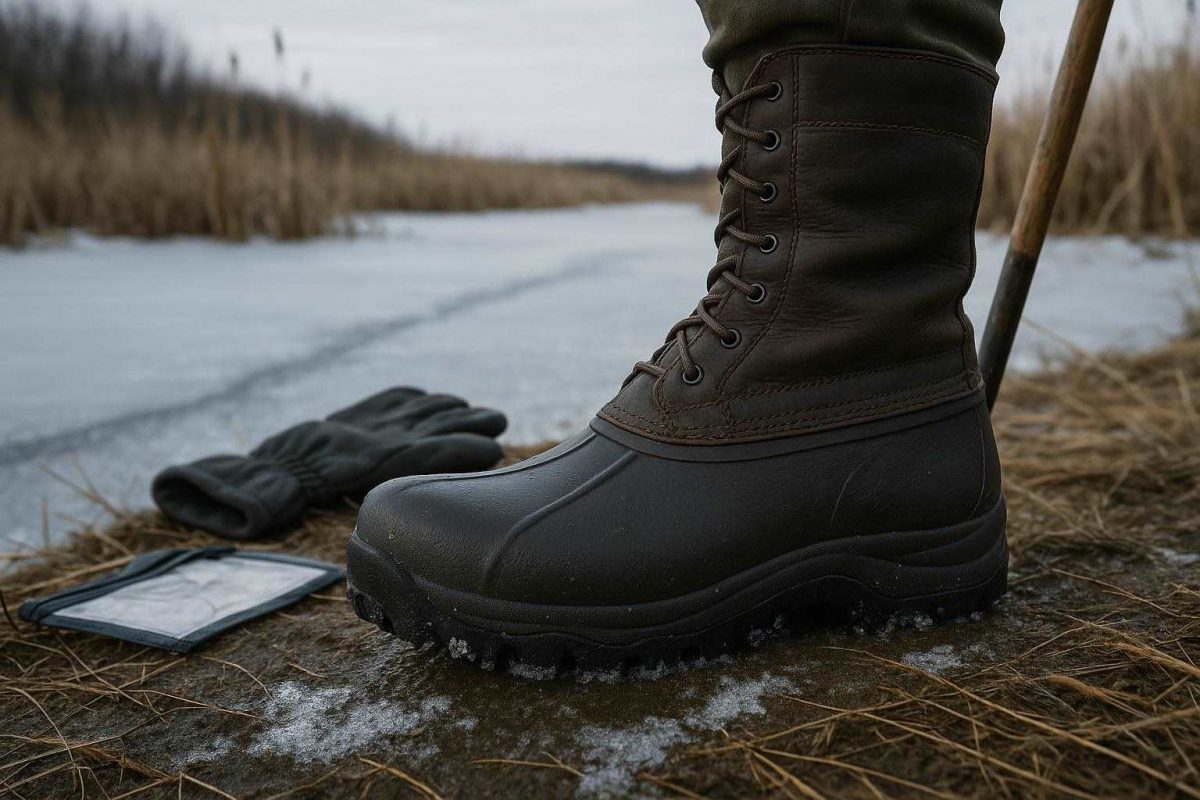
Choosing the shoes is also important; they should match what is underfoot not what the season says. Insulated rubber boots can work in wet areas while strong light boots are better for solid paths. Make sure your socks fit well to keep your blood moving and keep shoes dry in your car away from snow and slush.
Planning for Bird Recovery as Part of Good Hunting
A good hunter thinks about everything, including getting the birds that are shot. Before you start think about where a bird might fall and how you will get it. Don't hope for the best; a bird in water can be harder to get especially if the ice is thin.
Keep the tools you need for getting birds close by not inside your bag. A hunting dog can. Also face dangers in cold water and icy places. Know your dogs limits. Make sure it has a safe way out. Never send a dog into a place that you wouldn't go yourself.
If getting the bird is too dangerous, stop and check the situation. Mark where the bird was last use a telescope to see and ask for help if needed. Real good hunting means thinking about how to get the bird before you take a shot not trying to figure it out after.
Leave Little as Possible When You Set Up
Even a frozen area can be delicate. It might look still. Plants still help wildlife. Going over the path can hurt the plants and cause soil to show when it gets warmer making your impact bigger around the places you go to.
Use paths that are already there edges and places meant for walking. Protect the area by carrying your stuff over ground instead of pulling it through soft places. Don't make paths just to save time as this can hurt the environment.
Take all trash with you, including shells and broken equipment. Unless you are told it is okay don't leave signs or flags. When you hunt on land follow all the rules about where to go, where to park and about animals.
Final Check Before You Leave
Before you leave your car think about these questions:
– Do you know the rules for this area today?
– Can you cross every place you need without risking ice?
– Are you ready for wet weather in your clothes?
– Can you get the bird without a big risk to yourself or your dog?
– Can you set up and leave without hurting the wetland?
If any answer is no it doesn't have to stop the hunt. Should make you change your plan. Maybe change your way shorten the trip wait for weather or go somewhere else. Being ready to change is important when the weather can change faster than the forecast says.
The best way to get ready for the season isn't just about getting to a faraway place but, about staying with the rules making it possible to get the birds and keeping the area safe for other times.